June is National Indigenous History Month, a time to celebrate the histories, cultures, knowledge systems, and contributions of First Nations, Inuit, and Métis Peoples across Turtle Island.
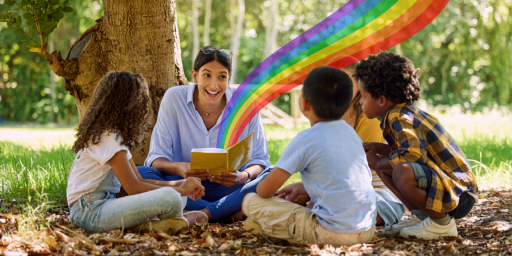
For countless generations, Indigenous Peoples have learned with and from the land. Indigenous knowledge systems recognize the land as a teacher and emphasize relationships, reciprocity, observation, responsibility, and respect. These teachings offer valuable opportunities for educators seeking to bring learning beyond classroom walls and into local outdoor spaces.
This month, we invite educators to explore Indigenous-authored books and Indigenous-created resources that inspire curiosity, stewardship, and connection with the natural world. Whether you’re learning in a schoolyard, park, forest, field, or along a local waterway, these resources can help students build meaningful relationships with the places they call home.
A Note for Educators: These books and resources can serve as entry points for learning. Whenever possible, seek opportunities to connect with local Indigenous communities, Knowledge Keepers, Elders, and organizations to learn about the specific histories, cultures, languages, and relationships with the land in your region.
Water: Learning from and Caring for Our Waters
The Water Walker by Joanne Robertson (AnishinaabeKwe) – Also available in Anishinaabemowin & French
Suggested Grades: JK–Grade 6
Inspired by the life of water protector Josephine Mandamin, this story follows one woman’s commitment to raising awareness about the importance of clean water and our shared responsibility to protect it.
- Take It Outside: Visit a local creek, river, wetland, or lake. Invite students to observe, sketch, photograph, or journal about the waterway. Consider discussing where your community’s water comes from and how people can care for it.
- Curriculum Connections: Science (Freshwater systems, living things, environmental stewardship), Social Studies (Watersheds, human-environment interactions), Language (Oral storytelling, reflection, descriptive writing)
Nibi’s Water Song by Sunshine Tenasco (Anishinabe) – Also available in Anishinaabemowin & French
Suggested Grades: Grade 1–6
A young girl discovers that even children can help create positive change when her community faces challenges accessing clean water.
- Take It Outside: Conduct a water inquiry. What bodies of water exist in your community? What challenges or successes can students identify? Encourage action-oriented projects that help care for local environments.
- Curriculum Connections: Science (Environmental sustainability), Social Studies (Community action and citizenship), Language (Inquiry and persuasive writing)
We Are Water Protectors by Carole Lindstrom (Anishinabe/Métis) – Also available in French
Suggested Grades: Grade 1–8
Inspired by Indigenous-led water protection movements, this award-winning picture book reminds readers that water is sacred and essential to all life.
- Take It Outside: Explore local watersheds and discuss how all living things depend on healthy water systems.
- Curriculum Connections: Science (Ecosystems and biodiversity), Social Studies (Land and water systems), Arts (Visual response and environmental art)
Plants, Medicines, and Seasonal Learning
A Day with Yayah by Nicola I. Campbell (Syilx, Nłeʔkepmx and Métis)
Suggested Grades: JK–Grade 5
A granddaughter spends a day gathering medicines with her grandmother while learning about plants, stories, and relationships with the land.
- Take It Outside: Take students on a seasonal observation walk. What plants can they identify? What roles do plants play in local ecosystems?
- Curriculum Connections: Science (Plant growth and biodiversity), Health (Traditional knowledge and wellness), Language (Observation writing and oral storytelling)
Wild Berries by Julie Flett (Cree-Métis) – Also available in Cree
Suggested Grades: JK–Grade 4
A young boy and his grandmother spend time gathering berries while sharing language, stories, and knowledge of the land.
- Take It Outside: Create a seasonal nature journal. Encourage students to record changes in local plants and signs of seasonal abundance.
- Curriculum Connections: Science (Life cycles and seasonal change), Language (Vocabulary development and storytelling), Indigenous Languages (Language and culture connections)
Berry Song by Michaela Goade (Tlingit) – also available in French
Suggested Grades: JK–Grade 5
A lyrical story celebrating berry picking, gratitude, family knowledge, and the gifts of the land.
- Take It Outside: Invite students to create gratitude journals inspired by observations of local plants, trees, and seasonal changes.
- Curriculum Connections: Science (Plants and habitats), Language (Poetry and descriptive writing), Arts (Nature-inspired art)
Animals, Observation, and Ecological Relationships
Owls See Clearly at Night: A Michif Alphabet by Julie Flett (Cree-Métis)
Suggested Grades: Grade 3–7
This collection of interconnected stories explores children’s relationships with animals, family, and the natural world in the unique Michif language of the Metis people.
- Take It Outside: Try a sit-spot activity where students quietly observe birds, insects, plants, and animal signs. Encourage wonder and curiosity.
- Curriculum Connections: Science (Animal adaptations and habitats), Language ( Narrative writing and observation journals). Math (Data collection and graphing wildlife observations)
The Song That Called Them Home by David A. Robertson (Cree) – Also available in French
Suggested Grades: Grade 2–7
A story about environmental disruption, habitat restoration, and the return of birds to a community.
- Take It Outside: Conduct a bird survey in your schoolyard or community. Explore what makes healthy habitats for wildlife.
- Curriculum Connections: Science (Habitats and ecosystems), Social Studies/Geography (Environmental change), Math (Data management and graphing)
The Girl and the Wolf by Katherena Vermette (Métis)
Suggested Grades: JK–Grade 6
A young girl becomes lost in the forest and learns to trust herself with the guidance of a wolf.
- Take It Outside: Explore animal tracks, signs of wildlife, and discussions about respectful coexistence with local species.
- Curriculum Connections: Science (Animal behaviour and habitats), Health (Confidence and decision-making), Language (Story structure and character development)
Joy, Belonging, and Relationship with Place
My Heart Fills With Happiness by Monique Gray Smith (Cree, Lakota, Scottish) – Also available in Anishinaabemowin, Cree & French,
Suggested Grades: JK–Grade 4
A celebration of the everyday moments that bring happiness, connection, and gratitude.
- Take It Outside: Create a “Heart Fills With Happiness” nature journal. What outdoor experiences bring students joy, wonder, or peace?
- Curriculum Connections: Health (Mental health and mindfulness), Language (Personal reflection and creative writing), Arts (Nature-inspired art)
Birdsong by Julie Flett (Cree-Métis)
Suggested Grades: JK–Grade 5
A story about friendship, seasonal change, and finding belonging in a new place.
- Take It Outside: Observe seasonal changes in your schoolyard and create phenology journals that document what students notice throughout the year.
- Curriculum Connections: Science (Seasonal cycles and living things), Language (Personal narrative writing), Arts (Observation drawing)
For Older Learners
The Barren Grounds by David A. Robertson (Cree) – Book 1 in The Misewa Saga also available in French
Suggested Grades: 5–9
A fantasy adventure rooted in Indigenous knowledge, relationships with animals, and ecological interconnectedness.
- Take It Outside: Use outdoor experiences to explore themes of survival, stewardship, and interconnected ecosystems.
- Curriculum Connections: English/Language (Novel study and theme analysis), Science (Ecosystems and biodiversity), Geography (Human-environment relationships)
Check out these Indigenous resources & learning opportunities from the Outdoor Learning School & Store. They are recommended by Indigenous staff, advisors and partners, and developed by Indigenous authors, educators and organizations.